Menu
Call This Tuesday to Get $50 OFF

Call This Tuesday to Get $50 OFF
Call This Tuesday to Get $50 OFF
Call This Tuesday to Get $50 OFF
As temperatures begin to drop, one of the biggest threats to your home’s plumbing system is frozen pipes.…
As temperatures begin to drop, one of the biggest threats to your home’s plumbing system is frozen pipes. When water inside a pipe freezes, it expands, and that pressure can easily cause the pipe to crack or burst. A burst pipe can unleash gallons of water in minutes, leading to costly repairs, structural damage, and major inconvenience. The good news? With the right preparation, you can protect your pipes long before winter’s coldest days arrive. Here’s everything you need to know to prevent pipe bursting this winter.
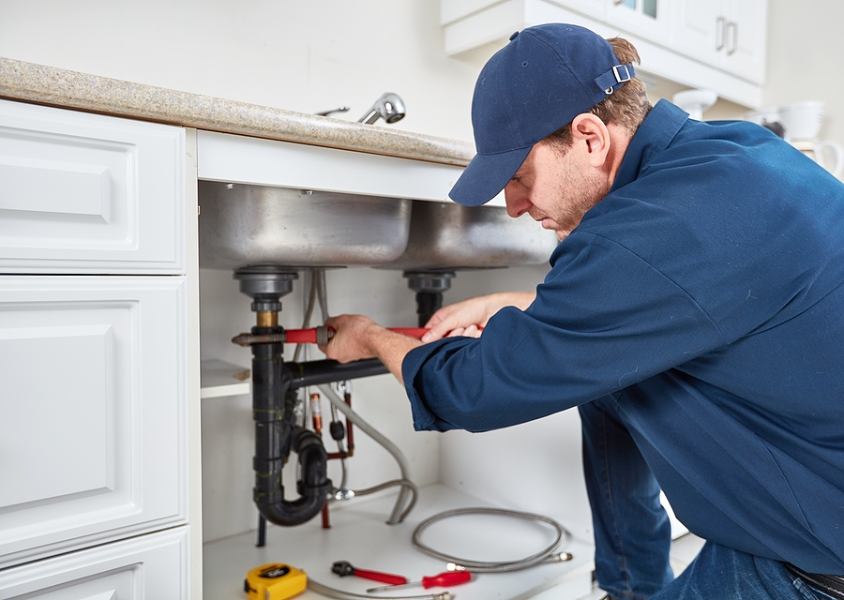
One of the most effective ways to prevent pipe bursts is to insulate pipes in vulnerable areas. Foam pipe sleeves, fiberglass wrap, or rubber insulation can all help maintain temperature and minimize heat loss. Focus on pipes in:
Insulating these pipes reduces the chance of freezing during extended cold spells. Call a local plumbing repair service in Walnut, CA to help you insulate vulnerable pipes in your home.
Cold air drafts can push freezing temperatures right into the areas where pipes run. Inspect your home for gaps around windows, doors, plumbing penetrations, and foundation cracks. Use caulk, weatherstripping, or expanding foam to seal off leaks. Even small air leaks can expose pipes to dangerously low temperatures, so sealing these gaps is a critical preventive step.
A consistent indoor temperature goes a long way in protecting your plumbing system. During winter, set your thermostat to at least 55°F (13°C)—even if you’re leaving home for several days. Sudden temperature drops inside the house increase the risk of freezing, especially for pipes behind walls. If certain rooms tend to get colder, consider using safe heating options or opening vents to improve heat circulation.
When temperatures drop below freezing, allowing faucets to drip slightly can keep water moving through the pipes. Moving water is less likely to freeze, and this small trick relieves pressure buildup inside the line. Letting both hot and cold taps drip, especially those connected to vulnerable pipes, can prevent pipe bursting during severe cold snaps.
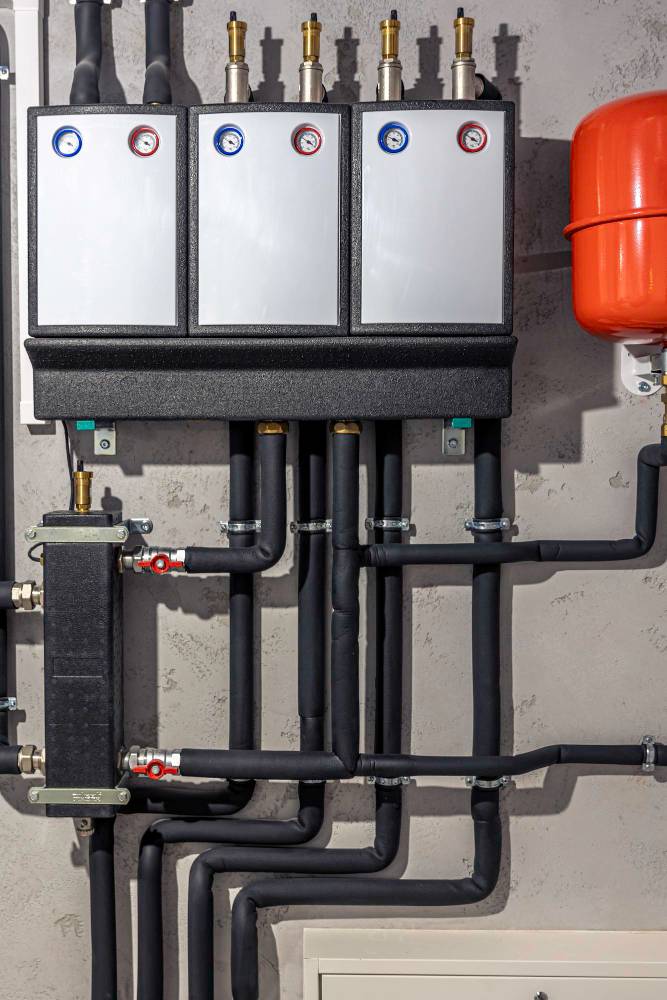
If you're hearing a rumbling sound from your basement, don't ignore it. At High Speed Plumbing, we've seen everything from thermostat…
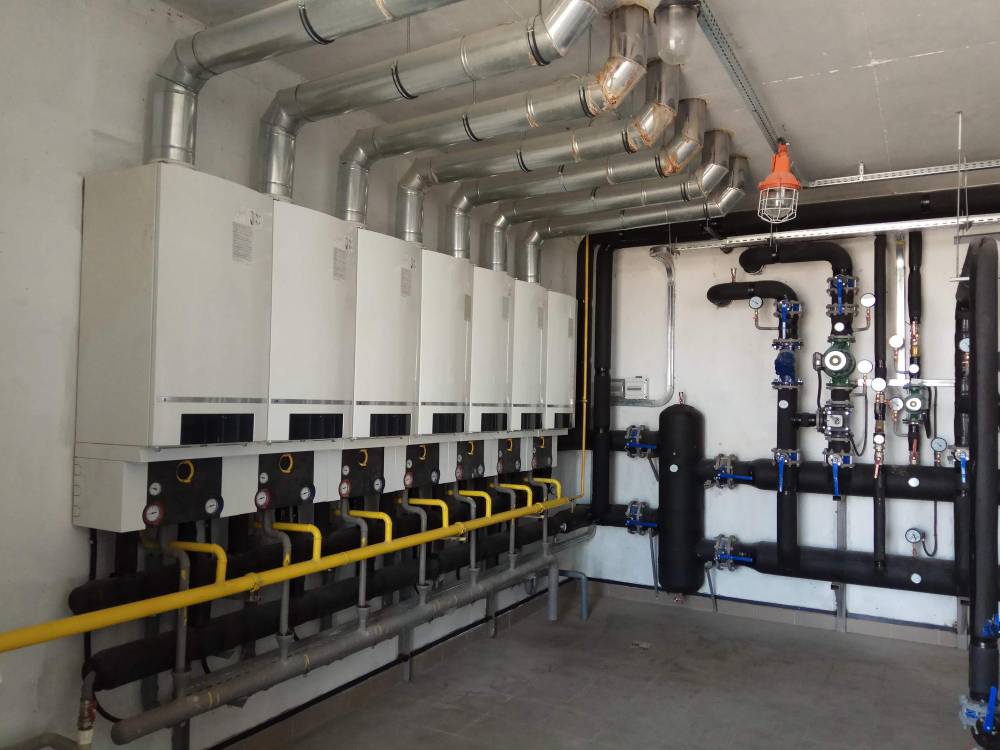
Running out of hot water at your business can mean angry customers, health code violations, or a full operational shutdown. Restaurants,…
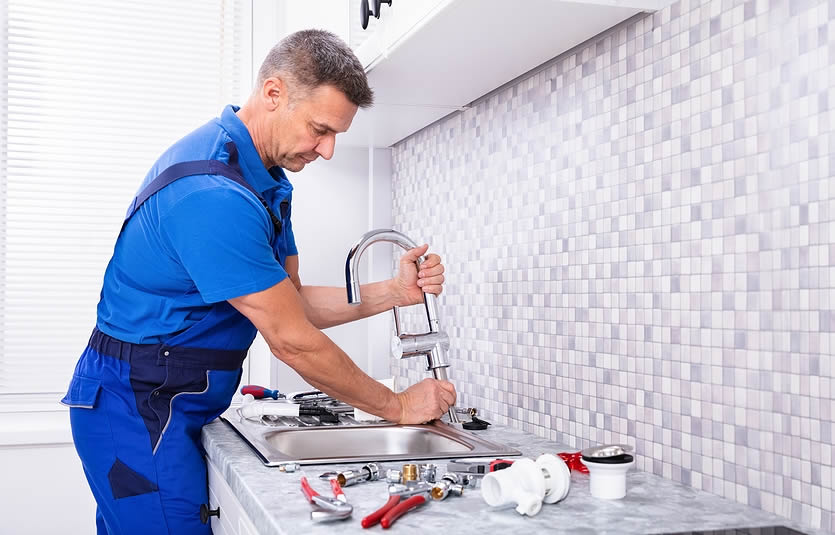
Are you dealing with a leaky faucet, low water pressure, or a broken handle? If so, you might need a faucet…
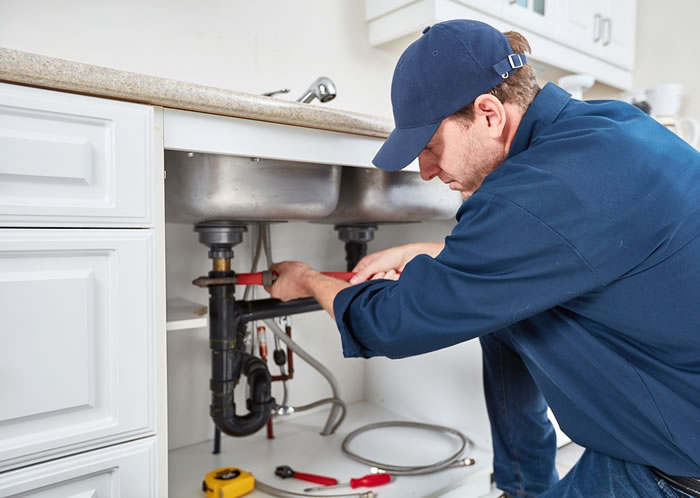
A properly working garbage disposal makes kitchen cleanup easy and efficient. If your disposal is acting up—making loud noises, leaking, or…
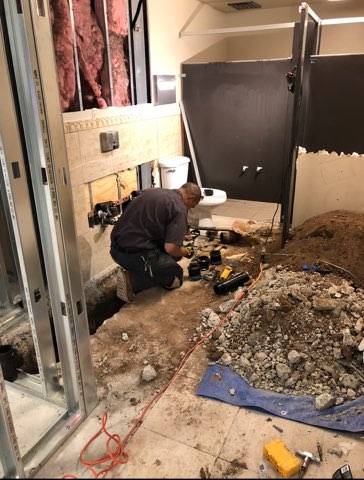
When your main water line has a problem, it can cause a lot of trouble for your home. Leaks, low water…
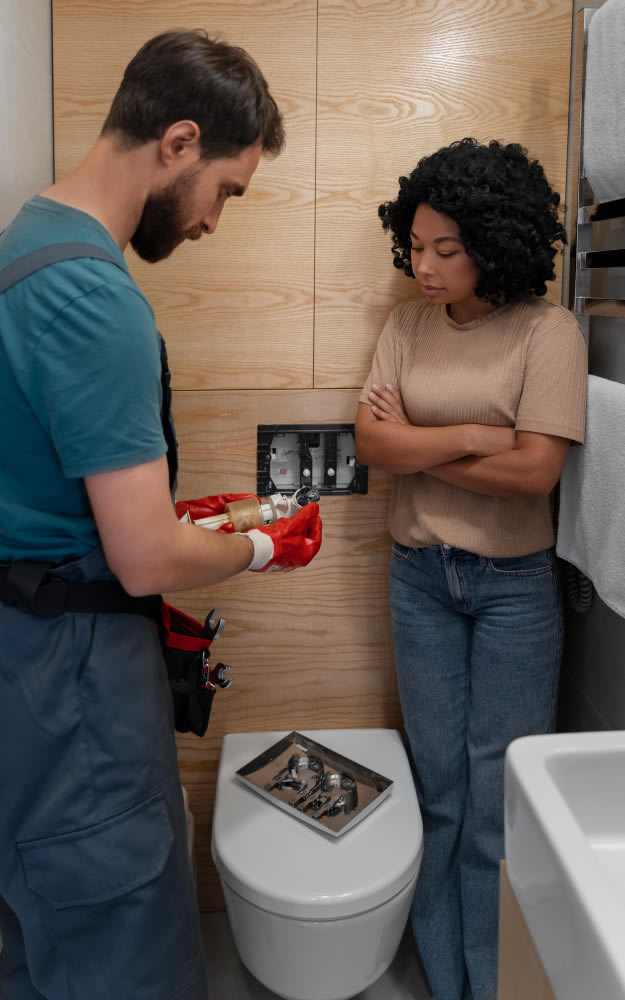
Are you dealing with an old, leaky, or broken toilet? If so, it may be time for a toilet replacement in…
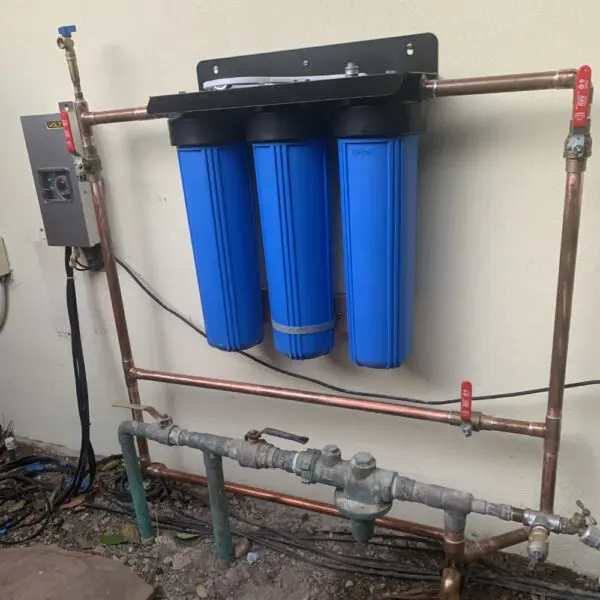
If you’re concerned about the quality of your water, water filtration installation in Pomona is a wise choice. A good filter…
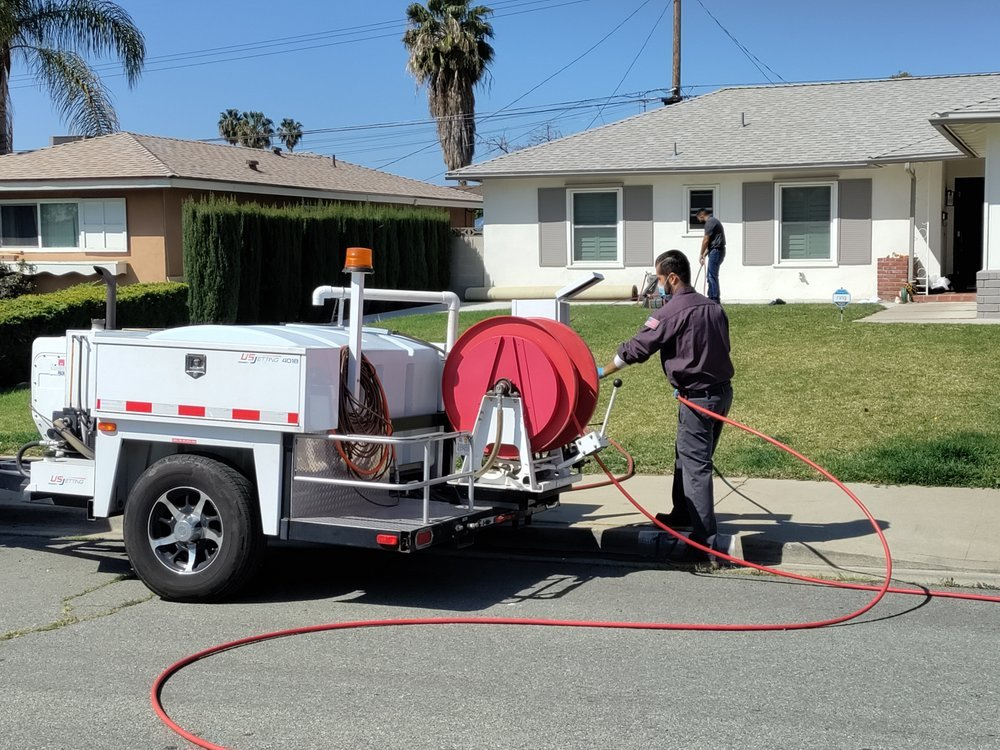
Traditional snaking or chemical drain cleaners can harm pipes and aren’t always effective at reaching deep blockages…
Kitchen and bathroom sinks have pipes hidden inside cabinets, which can trap cold air and increase freezing risk. During extremely cold weather, open cabinet doors to allow warm air from the room to circulate around the plumbing. This step helps maintain consistent temperatures around pipes that would otherwise remain cold.
Outdoor plumbing fixtures are among the first to freeze. Before winter arrives:
These steps prevent trapped water from freezing and pushing ice back into your home’s interior plumbing.
Early detection can save you from a burst pipe. Watch for:
If you suspect a frozen pipe, turn off the water supply and call a professional plumber for help.
Do you have a burst pipe in your home or business? It’s in your best interest to schedule burst pipe repair service as quickly as possible to prevent water damage, increasing water bills, and other issues. High Speed Plumbing is a veteran and family-owned plumbing company that offers a wide range of plumbing services. From pipe repair to pipe replacement and water leak detection, we do it all. Our plumbers have the knowledge, skills, and vast experience to fix burst pipes and address any other plumbing issues you may be dealing with. Feel free to contact us when you need a local plumber to fix a burst pipe in your home.
.webp)