Menu
Call This Wednesday to Get $50 OFF

Call This Wednesday to Get $50 OFF
Call This Wednesday to Get $50 OFF
Call This Wednesday to Get $50 OFF
Managing hot-water systems requires balancing two competing risks: water that is too hot can cause serious scald injuries,…
Managing hot-water systems requires balancing two competing risks: water that is too hot can cause serious scald injuries, while insufficient temperatures can create conditions that support Legionella growth. A sound water-management program uses appropriate storage and distribution temperatures, temperature controls, maintenance, monitoring, and point-of-use protection rather than relying on a single temperature setting.

Legionella bacteria can multiply in warm, stagnant water, particularly within complex plumbing systems where water may remain unused for extended periods. Systems with storage tanks, long pipe runs, low-flow areas, and infrequently used fixtures can create additional opportunities for bacterial growth.
Simply turning down the water heater may reduce the immediate scalding risk, but it does not automatically make the system safer. Temperature management needs to be considered alongside circulation, water age, system design, cleaning, monitoring, and other elements of a broader water-management plan.
Scalding can occur when hot water reaches a person's skin at a high temperature, with the severity depending on temperature and exposure time. Young children, older adults, and people with reduced sensitivity or mobility may have greater difficulty reacting quickly when water is dangerously hot.
The risk is not limited to showers. Lavatory faucets, bathing fixtures, healthcare equipment, commercial kitchens, and other outlets can deliver water hot enough to cause injury. That makes temperature control at the point of use an important part of protecting building occupants.
Thermostatic mixing valves can blend hot and cold water to provide a controlled outlet temperature while allowing the hot-water system itself to operate at a higher temperature. This approach can help separate the temperature needed for system management from the temperature appropriate for direct human contact.
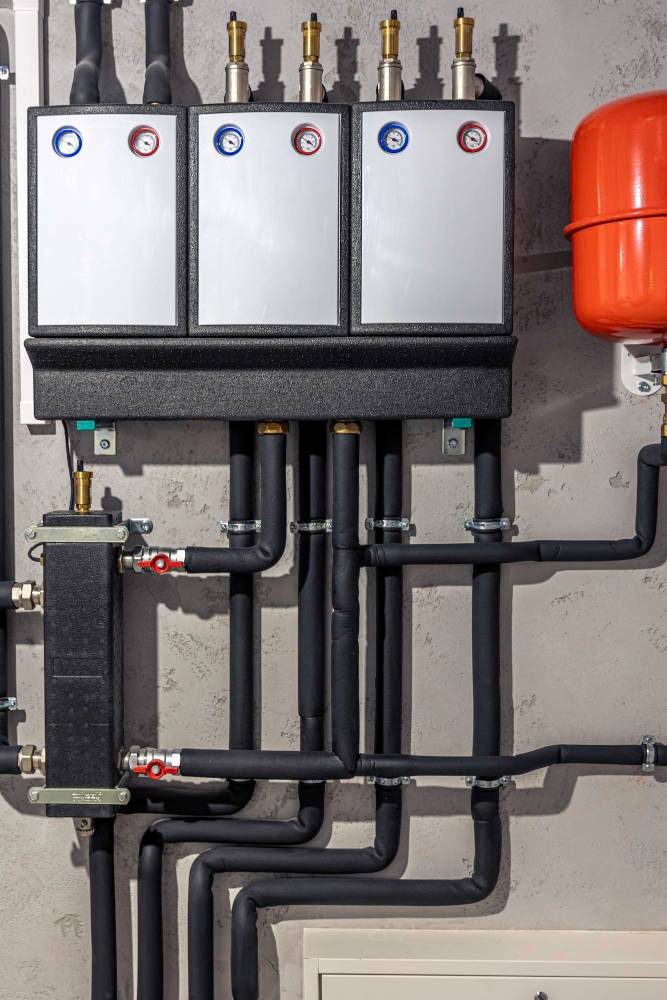
If you're hearing a rumbling sound from your basement, don't ignore it. At High Speed Plumbing, we've seen everything from thermostat…
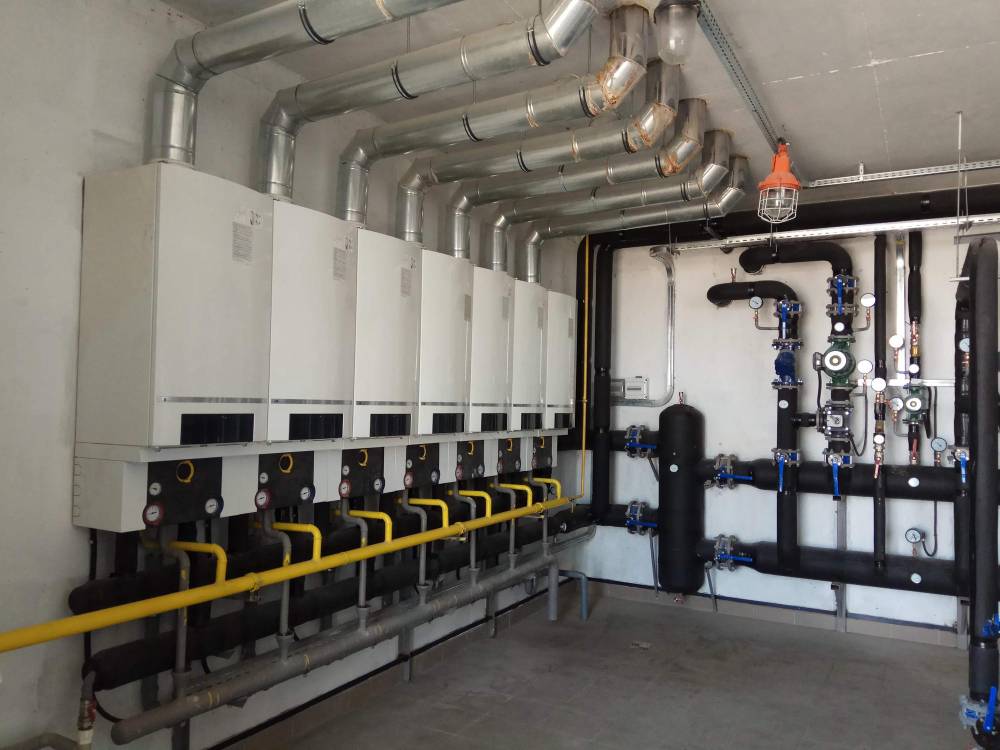
Running out of hot water at your business can mean angry customers, health code violations, or a full operational shutdown. Restaurants,…
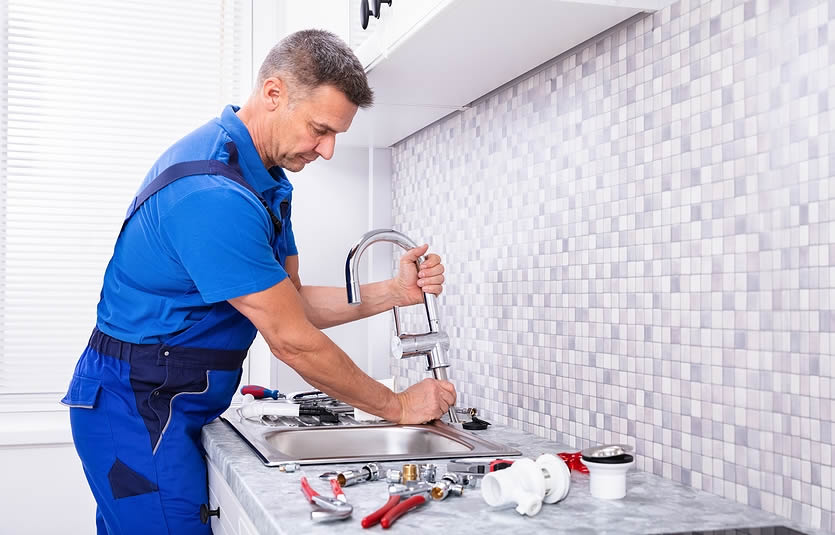
Are you dealing with a leaky faucet, low water pressure, or a broken handle? If so, you might need a faucet…
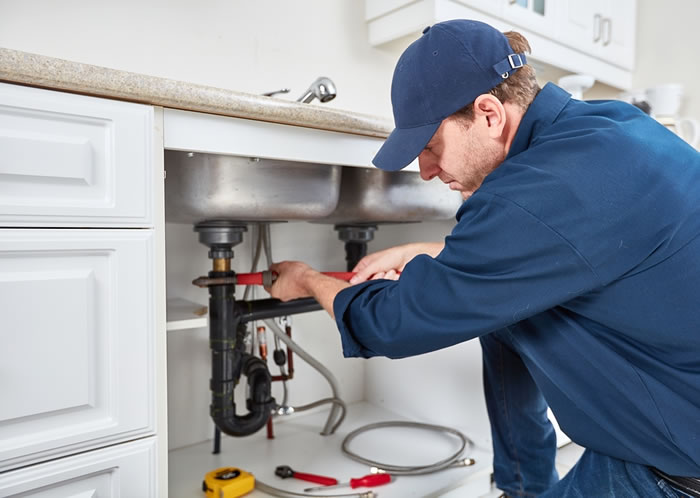
A properly working garbage disposal makes kitchen cleanup easy and efficient. If your disposal is acting up—making loud noises, leaking, or…
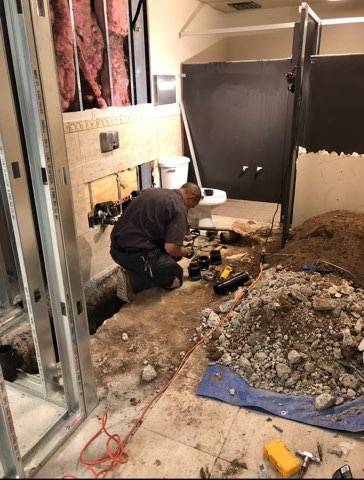
When your main water line has a problem, it can cause a lot of trouble for your home. Leaks, low water…
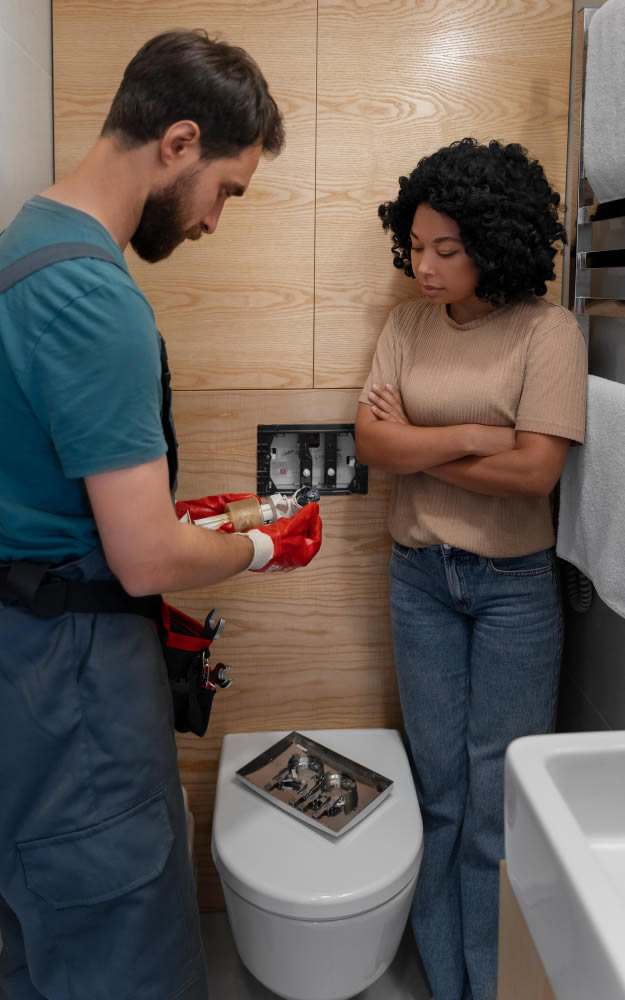
Are you dealing with an old, leaky, or broken toilet? If so, it may be time for a toilet replacement in…
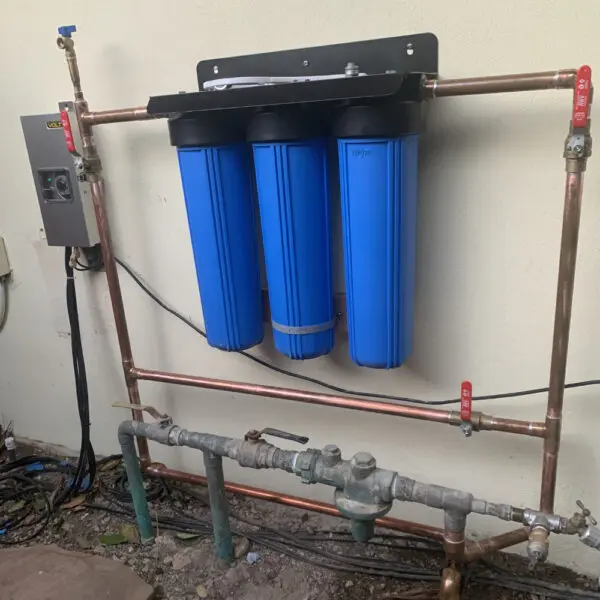
If you’re concerned about the quality of your water, water filtration installation in Pomona is a wise choice. A good filter…
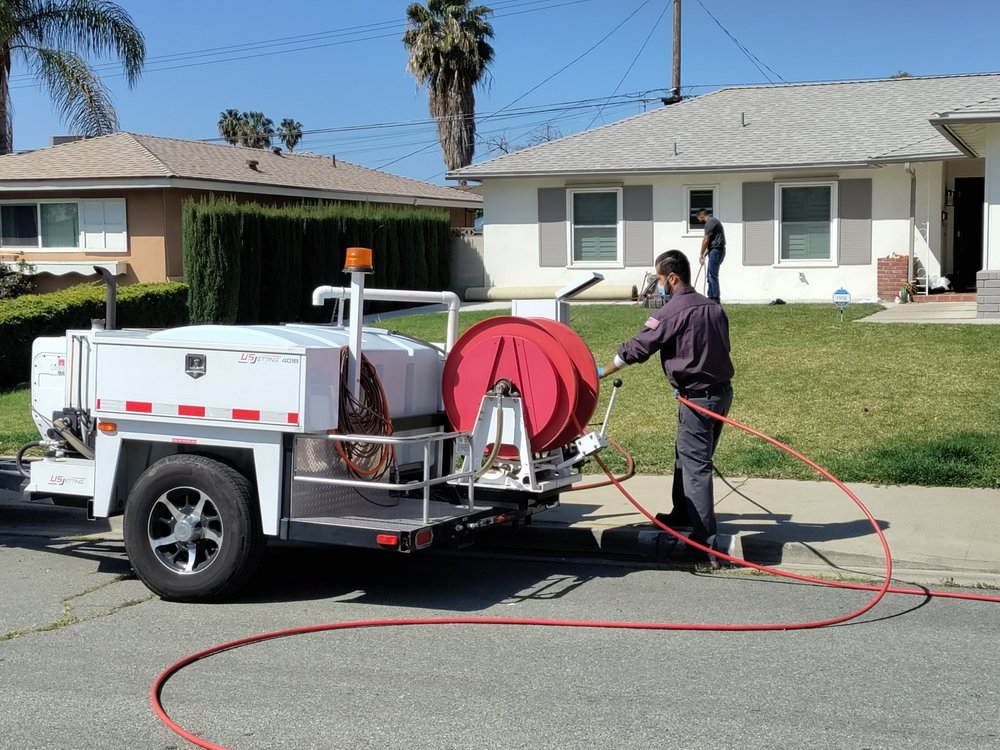
Traditional snaking or chemical drain cleaners can harm pipes and aren’t always effective at reaching deep blockages…
These valves still require proper selection, installation, adjustment, and maintenance. A malfunctioning or poorly maintained valve can allow water temperatures to rise beyond the intended setting, making inspection and periodic testing important. If you notice a problem with these valves, seek help from a local plumbing repair service.
Temperature monitoring should cover more than the water heater itself. Facilities may need to check storage temperatures, circulation temperatures, return temperatures, and representative points of use depending on the building and its water-management plan.
Regular documentation can also help identify changes before they become larger problems. A sudden temperature drop, unusual fluctuation, or poorly circulating section of the system may indicate a valve, pump, control, or plumbing issue requiring investigation. Do not hesitate to call a professional plumbing repair service in Arcadia for an inspection.
Healthcare facilities, senior-living communities, hotels, schools, apartment buildings, and other properties with complex plumbing systems may require more detailed water-management practices. The occupants, plumbing configuration, water usage patterns, and applicable regulations all influence the appropriate approach.
Facilities should also account for seldom-used fixtures and sections of piping where water can sit for extended periods. Flushing practices, maintenance procedures, temperature checks, and corrective actions should be incorporated into an established water-management program.
When your water heater breaks down, you need to call a professional plumber to address the problem. Whether you’re dealing with temperature fluctuations, a leak, or mineral buildup, our team is ready to restore your water heater to good working order. High Speed Plumbing is the name you can count on when you need a trusted plumber to diagnose your water heater and make repairs. Call us now to book an appointment for water heater repair!


