Menu
Call This Wednesday to Get $50 OFF

Call This Wednesday to Get $50 OFF
Call This Wednesday to Get $50 OFF
Call This Wednesday to Get $50 OFF

Sediment buildup is one of the common issues affecting commercial water heaters. Not only can sediment lead…
Sediment buildup is one of the common issues affecting commercial water heaters. Not only can sediment lead to increased energy bills, but it can also impact water quality. It’s recommended to flush your water heater every 3 to 6 months to keep the system in tiptop condition. In this post, our plumbers explore how sediment affects commercial water heaters and how regular flushing saves thousands.

Most sediment comes from minerals naturally present in the building's water supply. Calcium and magnesium can settle at the bottom of a storage tank when water is heated. Over time, these deposits can become thick and hard.
The problem may be worse in buildings with hard water or high daily water consumption. Since commercial heaters process much more water than typical residential systems, they can accumulate deposits at a faster rate. Once sediment collects at the bottom of the tank, it can affect how the heating system transfers heat into the water.
A layer of sediment acts like insulation between the burner or heating element and the water. The equipment may need to run longer to reach the desired temperature, increasing energy consumption.
Gas-fired units can also develop popping, rumbling, or crackling sounds as trapped water beneath the sediment layer turns to steam and escapes through the deposits. These noises should not be ignored, especially when they become more frequent. It’s best to call a plumbing repair service in Chino Hills, CA when you notice persistent noises coming from your commercial water heater.
Heavy buildup can also reduce usable tank capacity. In severe cases, deposits contribute to corrosion, damaged heating components, clogged valves, and premature tank failure. You should never let the sediment accumulate to a point where it compromises the functioning of your water heater.
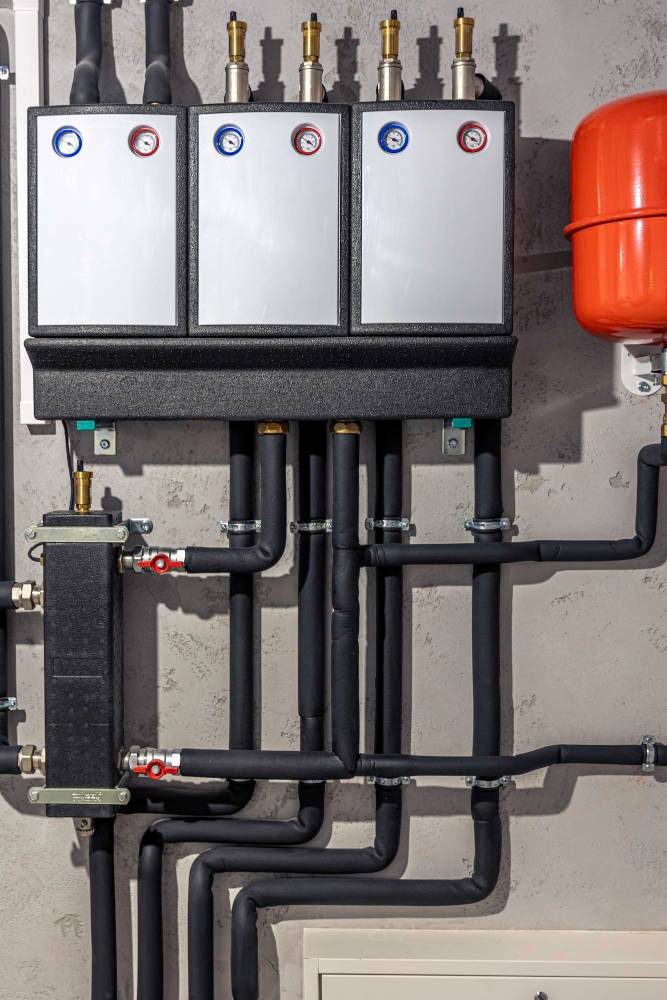
If you're hearing a rumbling sound from your basement, don't ignore it. At High Speed Plumbing, we've seen everything from thermostat…
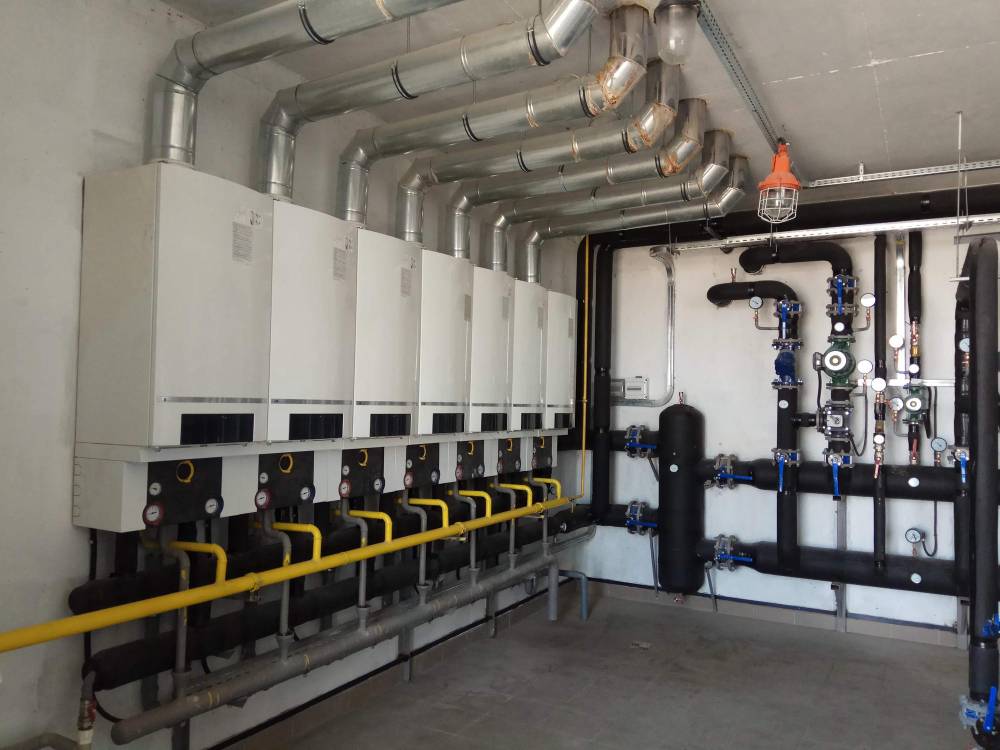
Running out of hot water at your business can mean angry customers, health code violations, or a full operational shutdown. Restaurants,…

Are you dealing with a leaky faucet, low water pressure, or a broken handle? If so, you might need a faucet…

A properly working garbage disposal makes kitchen cleanup easy and efficient. If your disposal is acting up—making loud noises, leaking, or…
When your main water line has a problem, it can cause a lot of trouble for your home. Leaks, low water…
Are you dealing with an old, leaky, or broken toilet? If so, it may be time for a toilet replacement in…
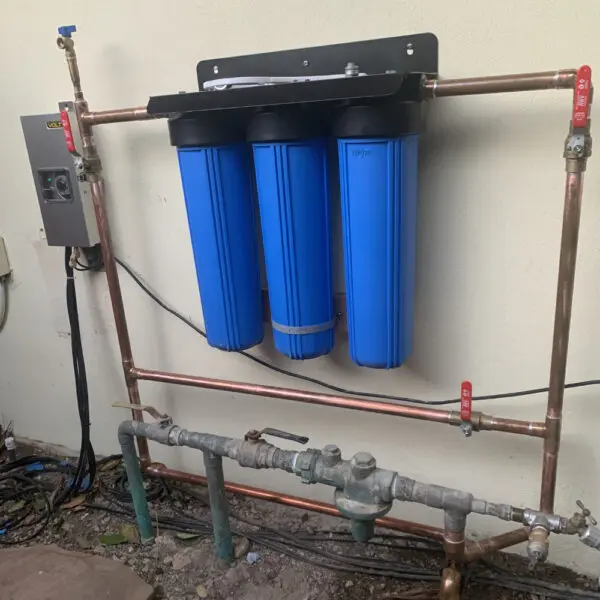
If you’re concerned about the quality of your water, water filtration installation in Pomona is a wise choice. A good filter…
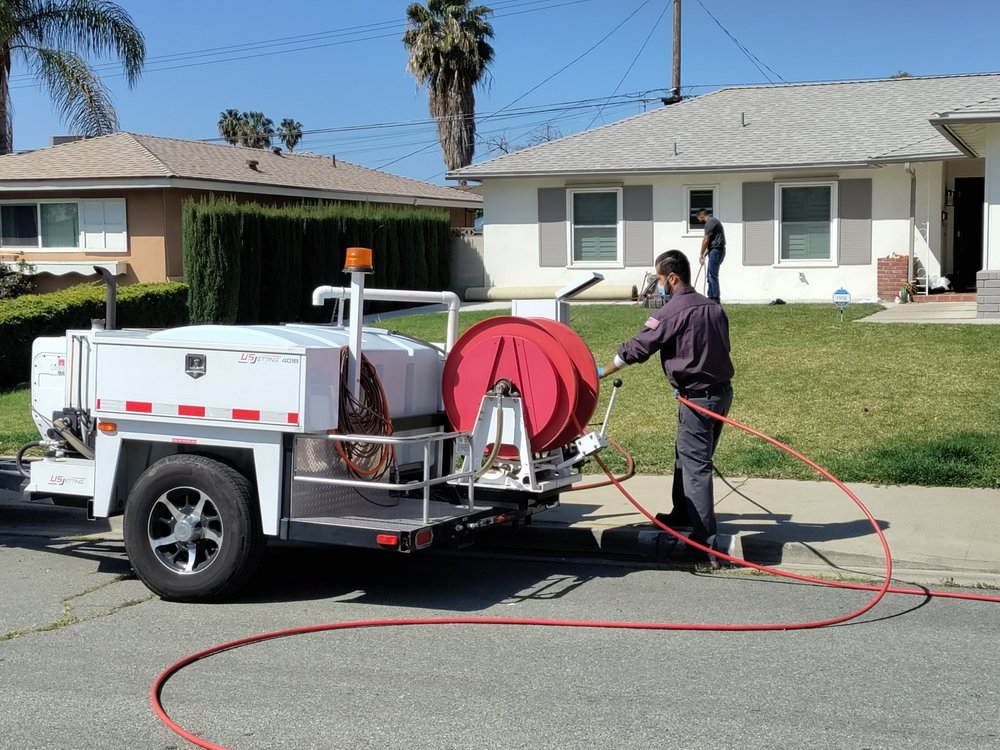
Traditional snaking or chemical drain cleaners can harm pipes and aren’t always effective at reaching deep blockages…
Sediment buildup in a commercial water heater often reveals itself through noticeable changes in how the appliance operates. When sediment accumulates at the bottom of the tank, it forces the system to work extra hard to heat water. This can reduce the lifespan of the water heater, reduce its efficiency, and increase heating costs. Here are some of the warning signs of sediment buildup in a commercial water heater:
If you’re dealing with any of these signs, it’s time to flush the unit or call a local plumber to inspect your water heater. There are many risks that come with ignoring sediment accumulation in a commercial water heater. Some of them include higher operating costs, shorter lifespan, increased strain, and potential leaks.
Flushing removes loose sediment and mineral deposits from the bottom of the tank. The process involves draining water through the designated drain connection and allowing fresh water to move through the tank to carry out accumulated debris.
For a busy commercial property, routine flushing can help the water heater maintain its expected heating performance. It can also reduce unnecessary strain on components and help identify developing problems before they become major failures.
Sediment buildup is the #1 killer of commercial water heaters, but regular flushing can help you extend the lifespan of your unit. Installing a water filtration and softening system can provide a long-term solution and improve water quality for household use. If you’ve noticed signs of a malfunctioning water heater, contact the skilled plumbers at High Speed Plumbing for water heater repair.


